The Defeat I Came Out From
Sometimes life hits you in the head with a brick. Don’t lose faith.— Steve Jobs
B
Benedict Nwadike
Ogbako Umunwanyi Igbo Worldwide Foundation
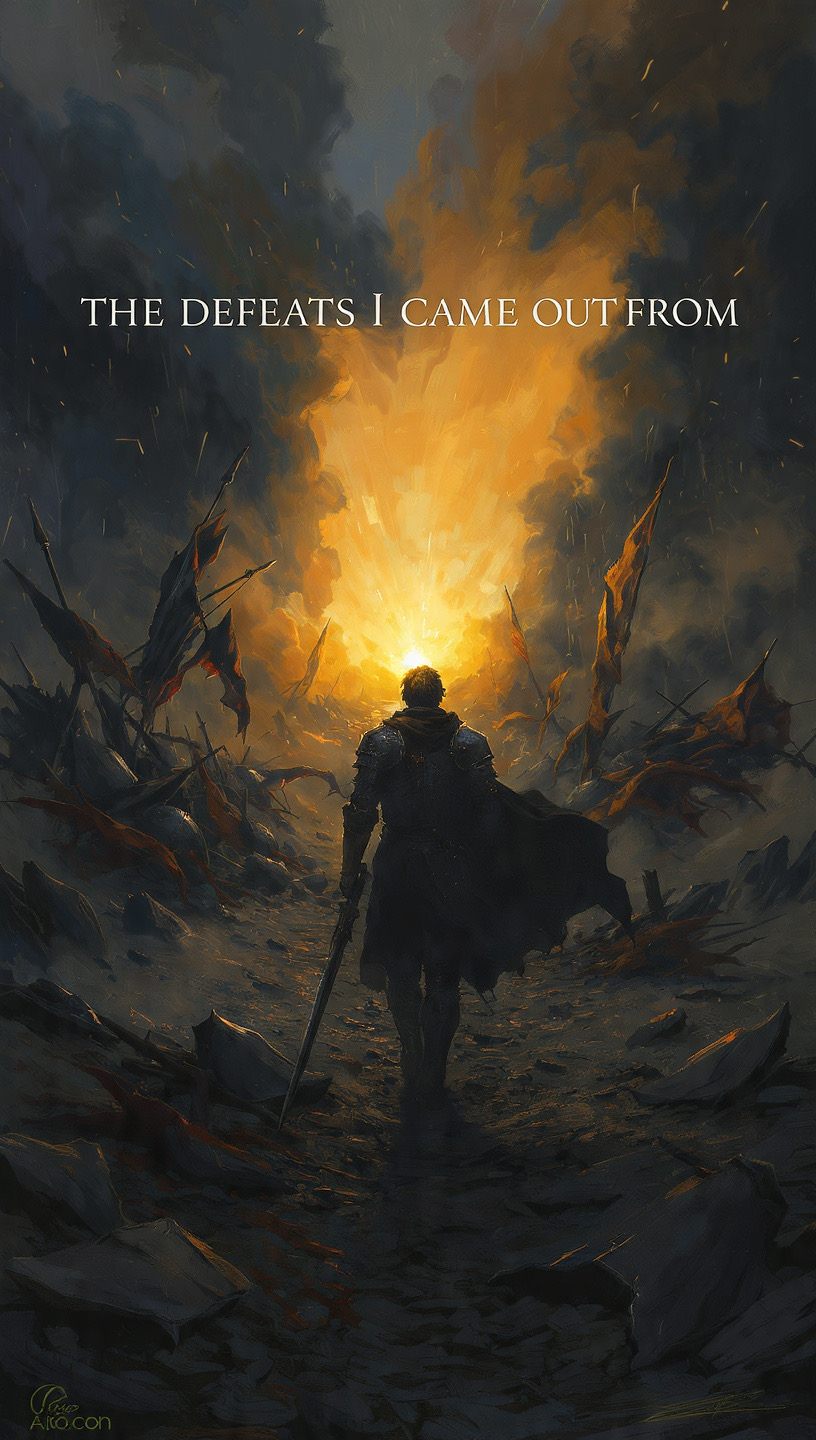
I didn’t lose all at once.
It happened slowly—quiet cracks forming beneath a surface that still looked fine to everyone else. From the outside, I smiled, spoke, showed up. But inside, something was collapsing. The kind of collapse that doesn’t make noise, but leaves everything feeling heavy.
That was my defeat.
Not a single moment. Not one big failure.
But a series of disappointments, unanswered efforts, and emotions I didn’t know how to carry anymore. I questioned myself more than I ever had. Wondered if I was enough. Wondered if I ever was.
There’s a certain kind of pain that defeat brings. It’s not just about losing—it’s about what that loss makes you believe about yourself.
It whispers things like:
“You tried, and it still wasn’t enough.”
“You gave your best, and it didn’t matter.”
“Maybe you’re the problem.”
And if you listen long enough, those whispers start to sound like truth.
I remember the days when getting out of bed felt like a task I had to negotiate with. When my mind replayed everything that went wrong like a broken record. When silence felt louder than noise, and peace felt distant.
But here’s the part people don’t talk about enough:
Defeat doesn’t end you.
It reveals you.
Somewhere in the middle of that darkness, I started noticing something small—but powerful. I was still here. Still breathing. Still trying, even when I felt like I had nothing left to give.
That mattered.
Healing didn’t come like a sudden breakthrough. It came quietly. In small decisions. In choosing not to be as hard on myself. In allowing myself to feel without rushing to “fix” everything. In accepting that being down didn’t mean I was done.
I began to understand that defeat wasn’t a final chapter—it was a turning point.
Because in losing, I saw what I had been holding onto too tightly.
In breaking, I saw the parts of me that needed care, not criticism.
In falling, I learned how to stand differently—not perfectly, but honestly.
Coming out of defeat doesn’t mean you erase what happened. You carry it—but differently. It no longer controls you. It no longer defines your worth.
It becomes a story you survived.
And maybe that’s the strongest part of all—
not that I never fell,
but that I found my way back up, even when it felt impossible.
I came out of that defeat quieter, yes…
but stronger in ways that don’t need to be loud.
Because now I know this:
I can lose and still not be lost.
B
Written by
Benedict Nwadike
Ogbako Umunwanyi Igbo Worldwide Foundation — Empowering women and children through community-driven programs.